

Early Years Foundation Stage Curriculum (EYFS)
Our Seven stages of learning
In our Reception classes, children learn through the seven areas of learning, divided into Prime and Specific areas. At the end of EYFS, children are assessed against the Early Learning Goals (ELGs).
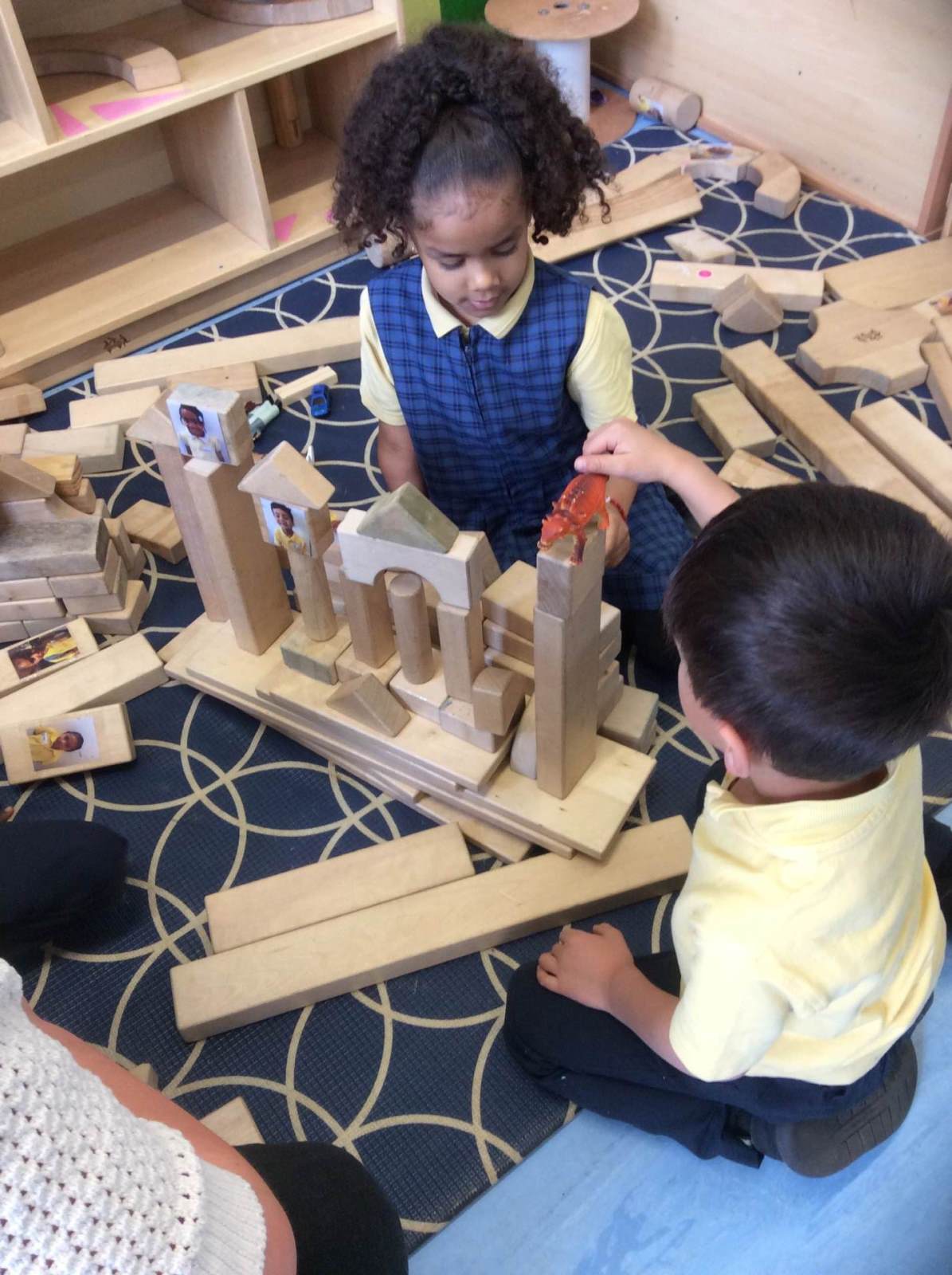
The seven areas of learning are:
1. Personal, Social and Emotional Development
Children develop a positive sense of themselves and others, respect for others, social skills and a positive attitude to learning. We support children’s emotional wellbeing, helping them to regulate their emotions and manage everyday situations.
2. Communication and Language
Children learn essential speaking and listening skills. They are encouraged to develop vocabulary, use tenses correctly and speak in full sentences. A wide range of opportunities supports them in applying these skills across different contexts and purposes.
3. Physical Development
We provide opportunities for children to be active and develop coordination, control and movement. Children are also supported in understanding the importance of physical activity and making healthy choices, including food and dental hygiene.
4. Literacy
Children are introduced to reading and writing through a mix of adult-led and independent activities. Daily phonics sessions support early reading and writing skills. Children read both phonically matched books and ‘reading for pleasure’ books, and read regularly with an adult in school.
5. Mathematics
Children develop their understanding of mathematics through a range of practical and engaging experiences. They explore number, calculation, pattern, and shape, space and measure in meaningful contexts.
6. Understanding the World
Children build knowledge and skills that help them make sense of the world. They explore people, places, technology and the environment through real-life experiences, including trips and hands-on learning.
7. Expressive Arts and Design
We nurture creativity through opportunities for exploration and play. Children express their ideas and feelings through art, music, movement, dance, role play and design activities.